
Guides
Fall prevention in older age: causes, measures and what to do after a fall
Falls are common in older age, but they are not inevitable. This guide to fall prevention for seniors shows how you can lower the risk of falling and how help can arrive quickly if something does happen.
Key points at a glance
- Fall prevention is made up of several building blocks: exercise, your home, medication, eyesight and shoes.
- If you live alone, you should also make sure that a fall is noticed quickly.
- Swiss programmes such as “Sicher durch den Alltag” from Rheumaliga Schweiz support seniors at home.
This guide does not replace medical advice. If you feel dizzy or unsteady when walking, or after a fall, talk to your GP.
What is fall prevention?
Fall prevention covers all the measures that lower the risk of falling and limit the consequences of a fall. It is aimed at older people, their family members and carers.
Why do older people fall?
Usually, several factors come together:
- Physical: loss of muscle strength, poorer balance, dizziness, osteoporosis
- Senses: poorer eyesight, hearing problems
- Medication: some medicines can make you tired or dizzy, so check this with your doctor
- Surroundings: loose rugs, poor lighting, steps, wet floors in the bathroom
- Shoes: slippery or backless slippers
- Psychological: fear of falling leads to less movement and therefore to less strength
The risk of falling increases with age. According to the Swiss Council for Accident Prevention (BFU), around 290,000 people in Switzerland are injured in falls every year. More than 1,700 people lose their lives each year as a result of a fall, and 95% of them are older than 64.
How to prevent falls at home
Even small changes make your home safer. It is best to go through your home room by room, together with family members or a professional.
Room by room, fewer trip hazards
Bathroom
A non-slip mat, a grab rail by the shower and toilet, and a seat in the shower.
Kitchen
Keep everyday items within easy reach, so nobody has to climb onto a chair.
Living room and hallway
Secure rug edges or remove the rugs, tidy away cables, make sure there is enough light and use a night light for the way to the toilet.
Stairs
Handrails on both sides, and step edges that are easy to see.
Fall prevention exercises for balance and strength
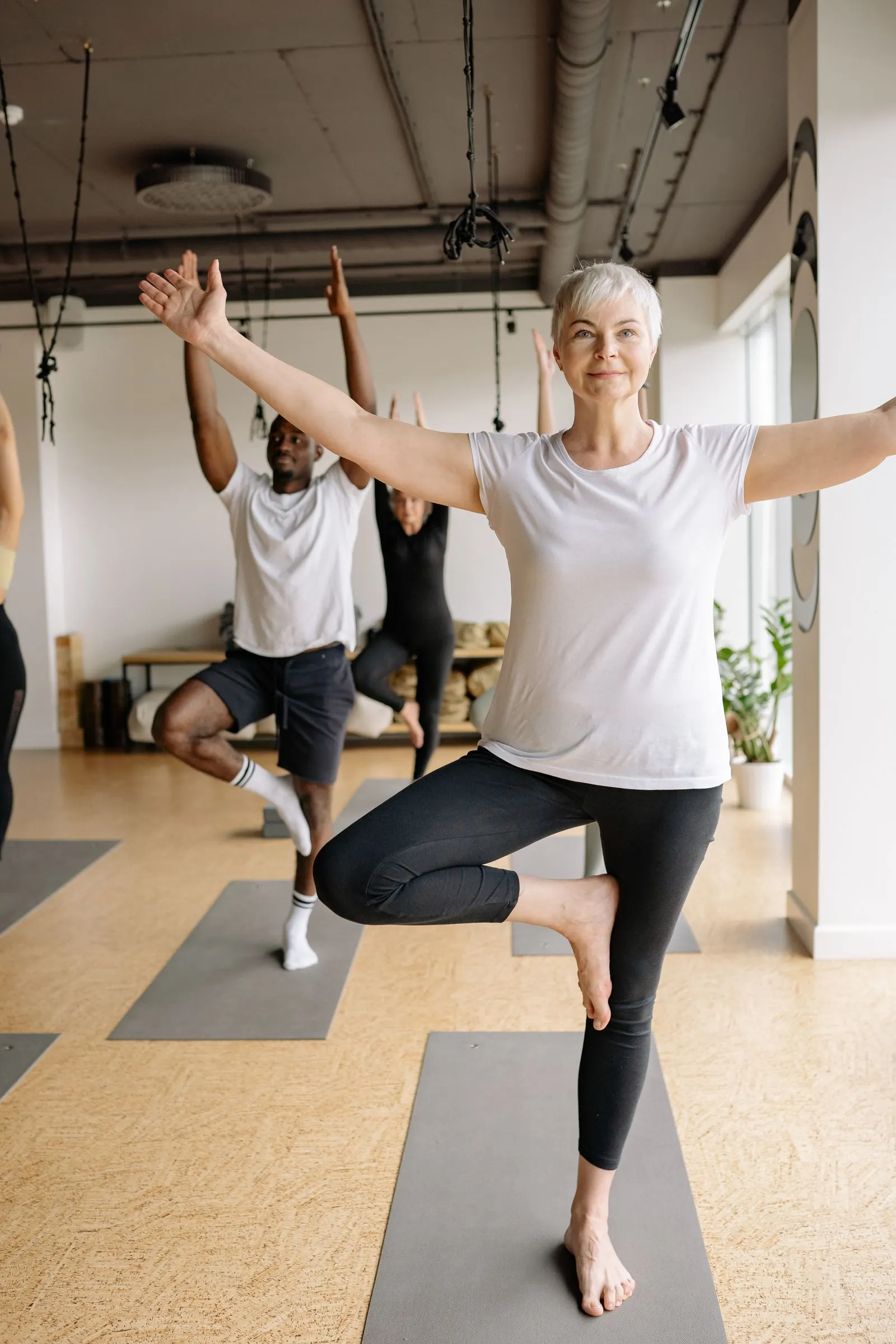
Regular exercise is one of the most effective measures. Here are some examples of exercises that are often recommended:
- Standing on one leg (hold on to the back of a chair)
- Walking along a line, heel to toe
- Tandem stance (one foot directly in front of the other)
- Standing up from a chair and sitting down again without using your hands
Important: hold on to something, never practise alone on a slippery floor, and if you feel unsure, discuss the exercises with a physiotherapist.
Support programmes in Switzerland
Rheumaliga Schweiz (the Swiss rheumatism league) runs a programme called “Sicher durch den Alltag” (safely through everyday life). It sends specially trained physiotherapists or occupational therapists on home visits. In a pilot study in Lucerne with 639 participants, the number of falls went down (a before-and-after comparison without a control group). Ask your GP practice or Pro Senectute (the Swiss organisation for older people) about services in your region.
What to do after a fall
The problem: if you live alone and cannot get up, you often wait a long time for help. The sooner someone notices the fall, the better. An emergency call system or fall detection such as Assist Living alerts the people you have chosen (see personal alarm options).
Stay calm
Don't get up straight away. First check whether anything hurts.
Get up slowly
If you can, slowly roll onto your side, then get onto your knees and stand up.
Call for help
If you are in severe pain or think you may have broken a bone, call for help (emergency number 144).
Tell your doctor
Even after a fall that seems harmless, let your GP know.
Helpful equipment and technology
- Check walking aids regularly for wear
- Emergency call systems: an emergency button or a personal alarm, see personal alarms in Switzerland
- Contactless fall detection at home such as Assist Living: sensors in the home detect a fall on their own and alert family members. There is nothing to wear. The technology adds to prevention, but it does not replace it.
Fall prevention in care
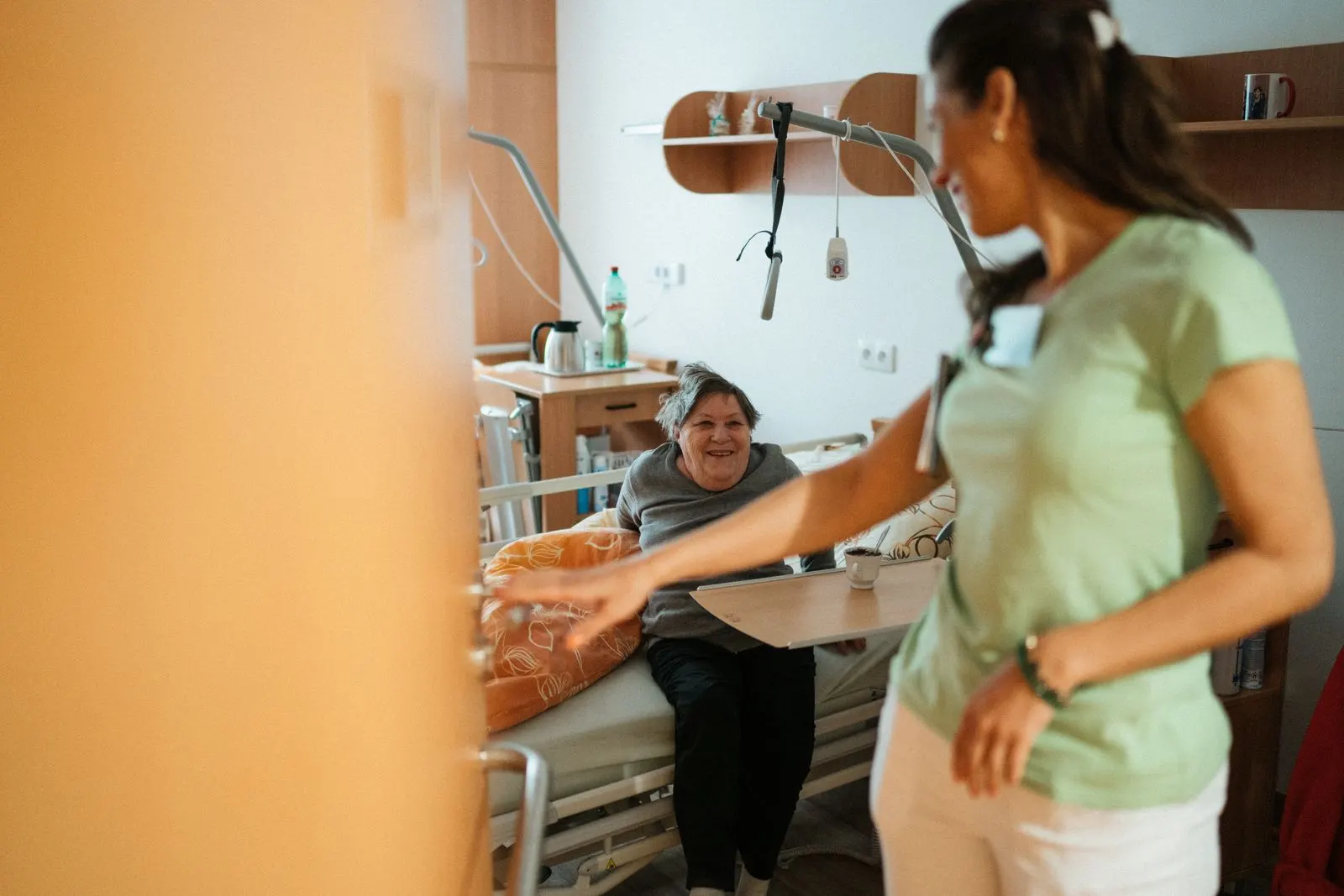
In care facilities, fall risk assessments, an adapted environment and documentation are part of the daily routine. Technology such as radar sensors can support staff: find out more about Assist Living Pro for care facilities.
Frequently asked questions
Why do older people fall more often?
Because strength, balance and eyesight can decline, and medication and their surroundings often play a part too.
How can I lower my risk of falling?
With exercise, a home that is safe from falls, suitable shoes, and regular eye tests and medical check-ups.
How does fall prevention work in a care home?
Through risk assessment, adapting the environment, exercise programmes and technology that reports falls quickly.
Can technology prevent falls?
It does not prevent the fall, but it shortens the time it takes for help to arrive.
Quick help if something does happen
Request a consultationQuestions about how falls are detected?
We will advise you personally on how Assist Living detects falls in your home. Write to us using the form.
Thank you. We will get back to you shortly.
Please confirm that you are not a robot.
Too many requests. Please try again later.
Please check the highlighted fields.
Your message could not be sent. Please email us directly at info@assist-living.com.
Your message could not be sent. Please email us directly at info@assist-living.com.